Empowering Youth Through Music Education Programs

Music has a unique ability to connect people, inspire creativity, and foster personal growth. For young individuals, music education programs can be transformative, offering not just musical skills but also life lessons that shape their futures. In this blog post, we will explore how music education empowers youth, the benefits it provides, and examples of successful programs that are making a difference.
The Importance of Music Education
Music education is more than just learning to play an instrument or sing. It encompasses a range of skills and experiences that contribute to a young person's development. Here are some key reasons why music education is vital:
Cognitive Development
Research shows that engaging with music can enhance cognitive abilities. Learning to read music, understand rhythm, and practice regularly can improve memory, attention, and problem-solving skills. For instance, a study by the University of California found that children who participated in music lessons scored higher on standardized tests compared to their peers who did not.
Emotional Expression
Music provides a powerful outlet for emotional expression. For many young people, it serves as a safe space to explore their feelings and communicate experiences that may be difficult to articulate. This emotional connection can lead to improved self-esteem and resilience.
Social Skills
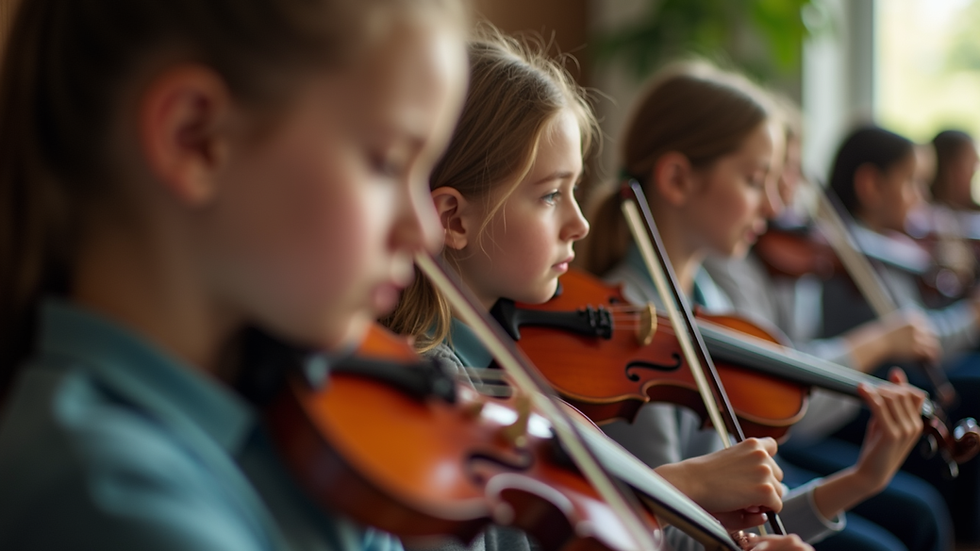
Participating in music programs often involves collaboration with peers. Whether in a band, choir, or ensemble, students learn to work together, listen to one another, and develop teamwork skills. These social interactions can foster friendships and a sense of belonging, which are crucial during the formative years.
Discipline and Commitment
Learning an instrument or participating in a music program requires dedication and practice. This commitment teaches young people the value of hard work and perseverance. They learn that progress takes time and effort, skills that are transferable to other areas of life, including academics and personal goals.
Types of Music Education Programs
There are various types of music education programs available to youth, each offering unique benefits. Here are some common formats:
School-Based Programs
Many schools offer music education as part of their curriculum. These programs often include band, choir, and general music classes. School-based programs provide students with structured learning and access to instruments, making music education accessible to a broader audience.
Community Music Schools
Community music schools are independent organizations that offer music lessons and ensembles outside of the school system. These programs often cater to students of all ages and skill levels. They provide a supportive environment where young musicians can thrive and explore their passion for music.
After-School Programs
After-school music programs are designed to engage students in music-related activities once the school day ends. These programs can include lessons, rehearsals, and performances. They often focus on building skills while also providing a fun and relaxed atmosphere for students to enjoy music.
Online Music Education
With the rise of technology, online music education has become increasingly popular. Virtual lessons and courses allow students to learn at their own pace and access resources from anywhere. This flexibility can be particularly beneficial for those who may not have access to traditional music education.
Successful Examples of Music Education Programs
Several music education programs around the world have made significant impacts on youth. Here are a few noteworthy examples:
El Sistema
Originating in Venezuela, El Sistema is a groundbreaking music education program that provides free music instruction to children from low-income families. The program emphasizes ensemble playing and community engagement, helping students develop musical skills while fostering social responsibility. Many El Sistema graduates have gone on to have successful careers in music and beyond.
The Harmony Project
Based in Los Angeles, The Harmony Project offers music education to underserved youth. The program focuses on teaching classical music and provides students with instruments, lessons, and performance opportunities. Research has shown that participants demonstrate improved academic performance and social skills, highlighting the program's effectiveness.
Little Kids Rock
Little Kids Rock is a nonprofit organization that provides free music education to children in public schools across the United States. The program focuses on contemporary music styles, allowing students to learn popular songs and create their own music. By engaging students in music they love, Little Kids Rock fosters a lifelong appreciation for music.
The Role of Parents and Community
Parents and community members play a crucial role in supporting music education programs. Here are some ways they can contribute:
Advocacy
Parents can advocate for music education in schools by attending meetings, joining committees, and voicing their support. Community members can also engage with local schools to promote the importance of music programs and encourage funding.
Volunteering
Volunteering time or resources can significantly impact music education programs. Parents can help with organizing events, fundraising, or providing transportation for students to attend rehearsals and performances.
Creating Opportunities
Community organizations can partner with schools to create music education opportunities. This collaboration can include workshops, concerts, and mentorship programs that connect young musicians with experienced professionals.
Challenges Facing Music Education
Despite the numerous benefits of music education, several challenges persist. Here are some common obstacles:
Funding Cuts
Many schools face budget constraints that lead to cuts in arts programs, including music education. Advocating for funding and support is essential to ensure these programs continue to thrive.
Access to Resources
Not all students have equal access to music education. Factors such as socioeconomic status and geographic location can limit opportunities. Community initiatives can help bridge this gap by providing resources and support to underserved populations.
Balancing Academics and Extracurriculars
Students often juggle multiple commitments, making it challenging to prioritize music education. Encouraging a balanced approach to academics and extracurricular activities can help students find time for their musical pursuits.
The Future of Music Education
As we look to the future, music education programs must adapt to the changing landscape. Here are some trends and considerations for the future:
Embracing Technology
Incorporating technology into music education can enhance learning experiences. Online resources, apps, and virtual lessons can make music education more accessible and engaging for students.
Fostering Inclusivity
Music education programs should strive to be inclusive and welcoming to all students, regardless of background or ability. Creating diverse and equitable opportunities will enrich the learning environment and benefit the entire community.
Focusing on Mental Health
Recognizing the mental health benefits of music education is crucial. Programs should prioritize emotional well-being and create supportive environments where students can express themselves freely.
Conclusion
Music education programs have the power to transform the lives of young people. By providing cognitive, emotional, and social benefits, these programs empower youth to develop essential life skills. As we continue to advocate for and support music education, we can ensure that future generations have the opportunity to experience the joy and growth that music brings.
Encouraging involvement in music education is not just about fostering musicians; it is about nurturing well-rounded individuals who can contribute positively to society. Let’s work together to create a world where every young person has access to the transformative power of music.

Comments